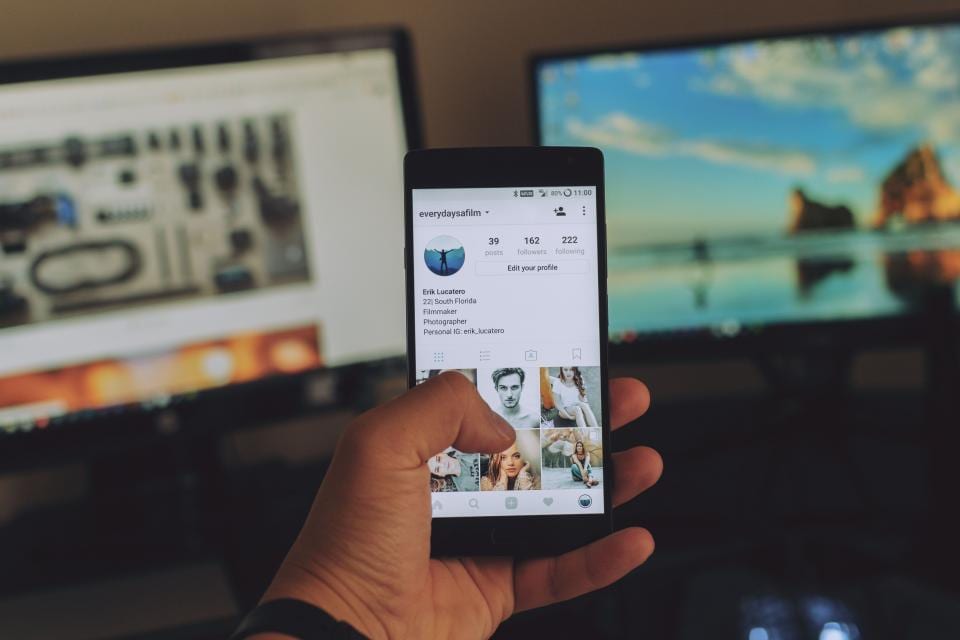
Social video works when it respects the way people actually watch. Viewers are distracted and decide within seconds whether to continue, so the idea, opening, framing and pace must make the value clear quickly—without losing the character of the brand.
Start with a repeatable content idea
Choose a theme your business can sustain: customer questions, behind-the-scenes work, expert tips, product demonstrations, local stories, or employee perspectives. A repeatable format is more useful than one isolated viral idea because it creates a recognisable content system.
Short-form versus long-form
Short-form videos are useful for discovery, reminders, and individual ideas. Long-form videos are better for depth, trust, interviews, case studies, and complex explanations. A strong production can create both: one central story supported by several focused edits.
Adapt to each platform
Instagram and TikTok usually reward clear vertical framing, fast context, captions, and a strong visual opening. LinkedIn often suits practical expertise, customer stories, and a more considered pace. YouTube can support longer explanations, searchable answers, and playlists.
Do not simply post the same file everywhere. Rewrite the opening, adjust the duration, check the safe area for text, and make sure the call to action fits the platform.
Win the first three seconds
The opening should answer one of three questions: Why should I care? What will I learn? What is happening here? Start with the strongest visual, a direct statement, a surprising detail, or a human moment. Avoid long logo animations and introductions that delay the story.
Use captions and sound intentionally
Many people watch without sound, so captions should be accurate, legible, and timed well. Sound still matters: music, room tone, natural effects, and a clean voice create emotional depth for those who do listen.
Build a content library from one shoot
Plan a main film, short clips, vertical edits, quotes, detail shots, and still images. Capture clean background footage and multiple versions of key lines. This makes the production more efficient and keeps the campaign visually consistent.
Storytelling remains the difference between content people tolerate and content people remember. Angelo’s process begins by clarifying the purpose and audience before filming.
Measure what matters
Track completion rate, saves, shares, comments, profile visits, enquiries, and conversions—not only views. The right metric depends on the job of the video. A brand story may be successful when it builds qualified interest even if it receives fewer views than an entertaining clip.
The simple content system I recommend
Start with one substantial idea and divide it into useful questions. For example, a company explaining a new service might produce one main overview, three short answers, one customer perspective, and several detail shots. The clips should not feel like leftovers; each should solve a small problem for the viewer.
When I plan a social shoot, I write the first sentence of every short video before filming. If the opening is unclear on paper, it will usually be unclear in the edit. I also capture clean pauses and alternate takes, because they make captioning and platform-specific versions much easier.
Work with a Limassol videographer for social content
A Limassol videographer can create a planned library of main films, vertical edits, short clips, and behind-the-scenes material in one efficient production. This gives local businesses a consistent supply of content instead of disconnected phone videos.
Conclusion
Effective social media video is strategic, platform-aware, and human. If you want a consistent library of social edits rather than disconnected clips, contact Angelo Alfano to plan a production around your goals.
From the portfolio
See the decisions in finished work.
These films show how planning, observation and delivery change with the subject and the job the video needs to do.